Traps
Lantern Wasp Trap
Reusable glass-and-steel trap that catches wasps and leaves honeybees alone.
$28
View
Wasp control & beekeeping equipment
We sell traps, protective kit and tools — and no insecticide at all. Most of what goes wrong with wasps starts with somebody misidentifying a honeybee, or going up a ladder they should not have been on.
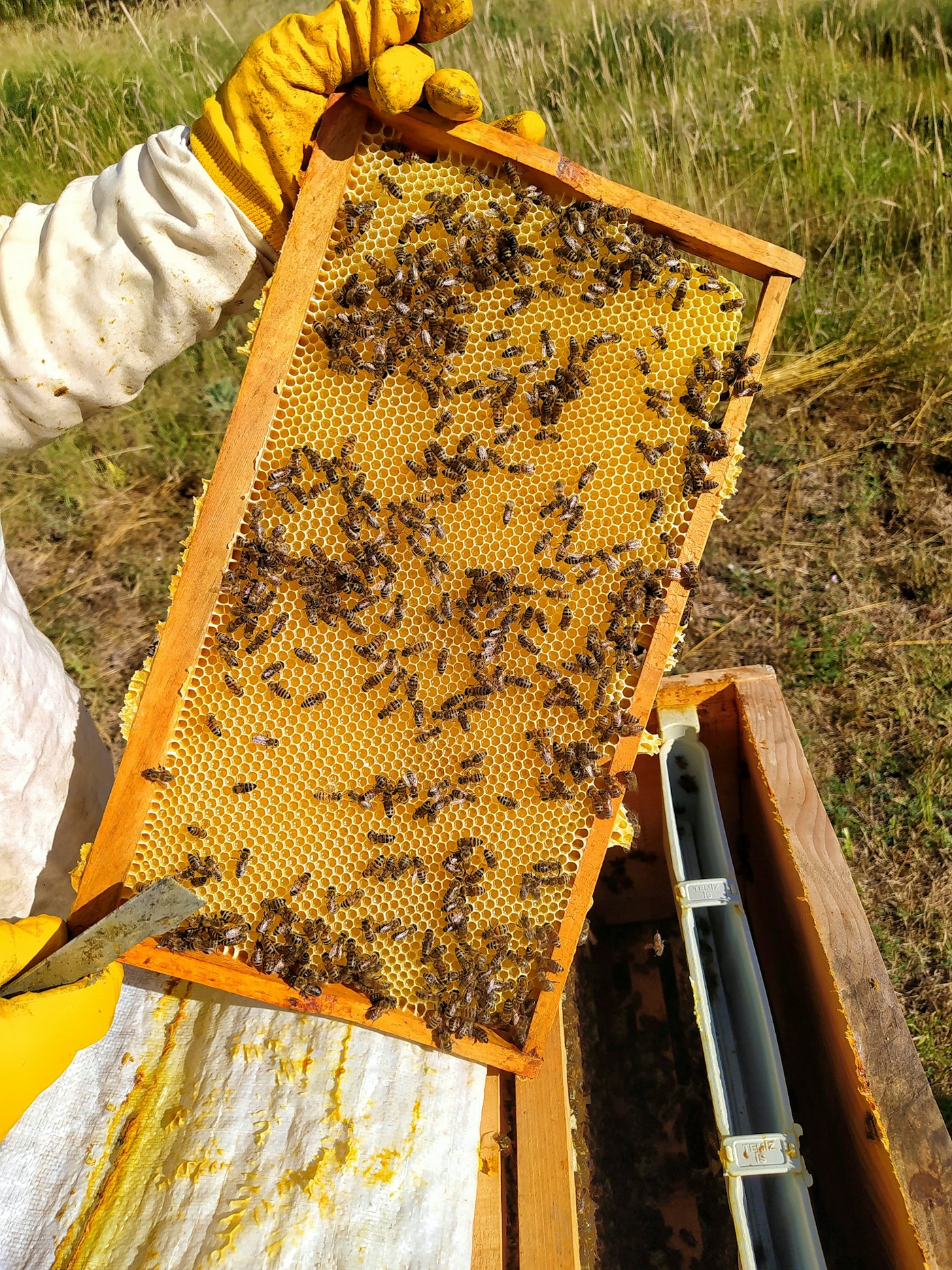
Equipment
Four categories, eight products. Everything here is a physical tool — nothing we sell is a pesticide, and the attractant in our traps is food-grade bait.
Reusable glass-and-steel trap that catches wasps and leaves honeybees alone.
Food-grade liquid attractant. No insecticide, no neonicotinoids, nothing systemic.
4m carbon pole with a phone mount, so you can look at a nest without climbing to it.
Three-layer ventilated mesh. The gap between fabric and skin is what stops the sting.
Before you buy anything
Roughly half the enquiries we get are about honeybees, bumblebees or hoverflies. Three of those are protected or beneficial, and none of them should be trapped. Here is how to tell them apart.
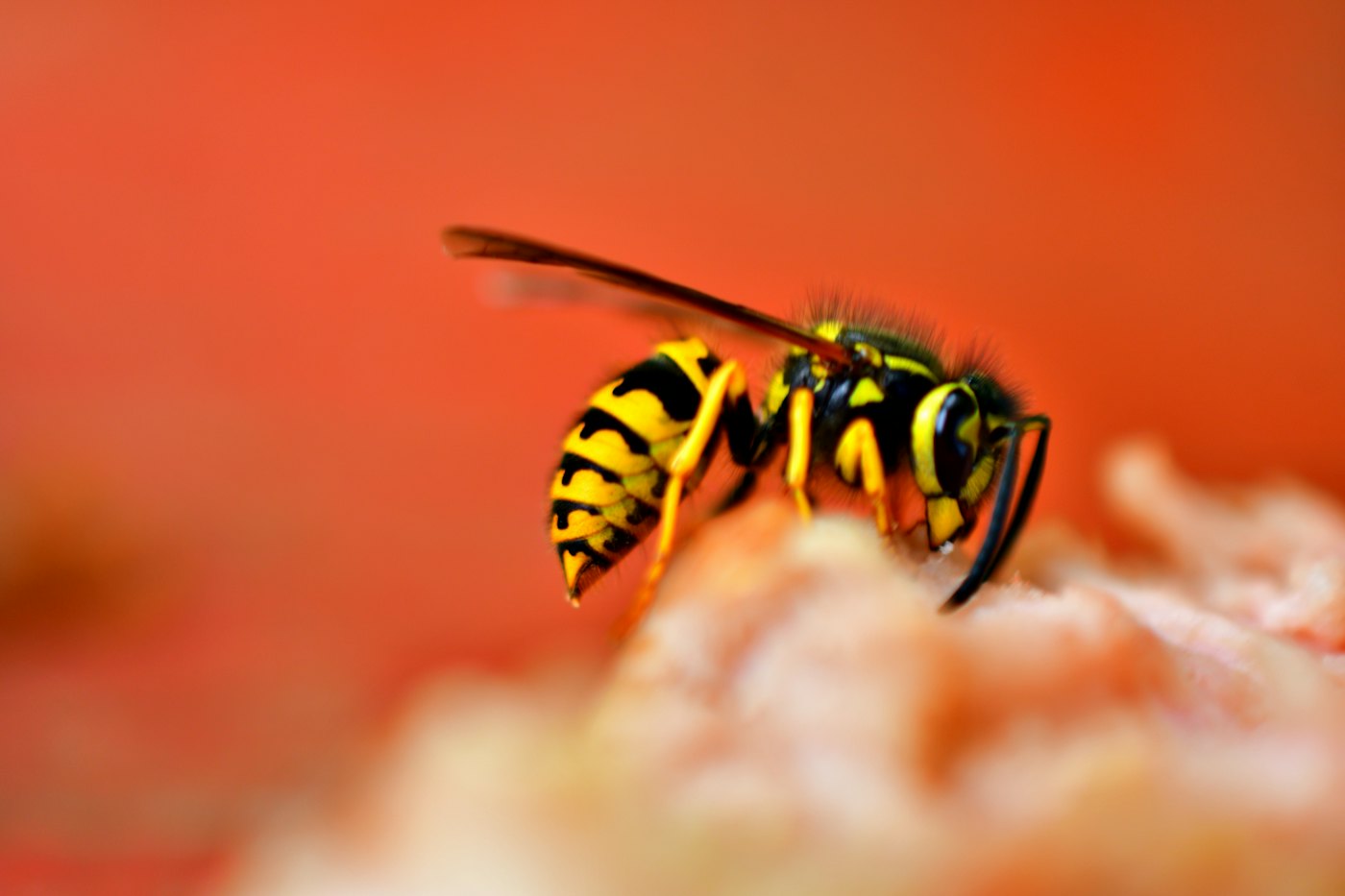
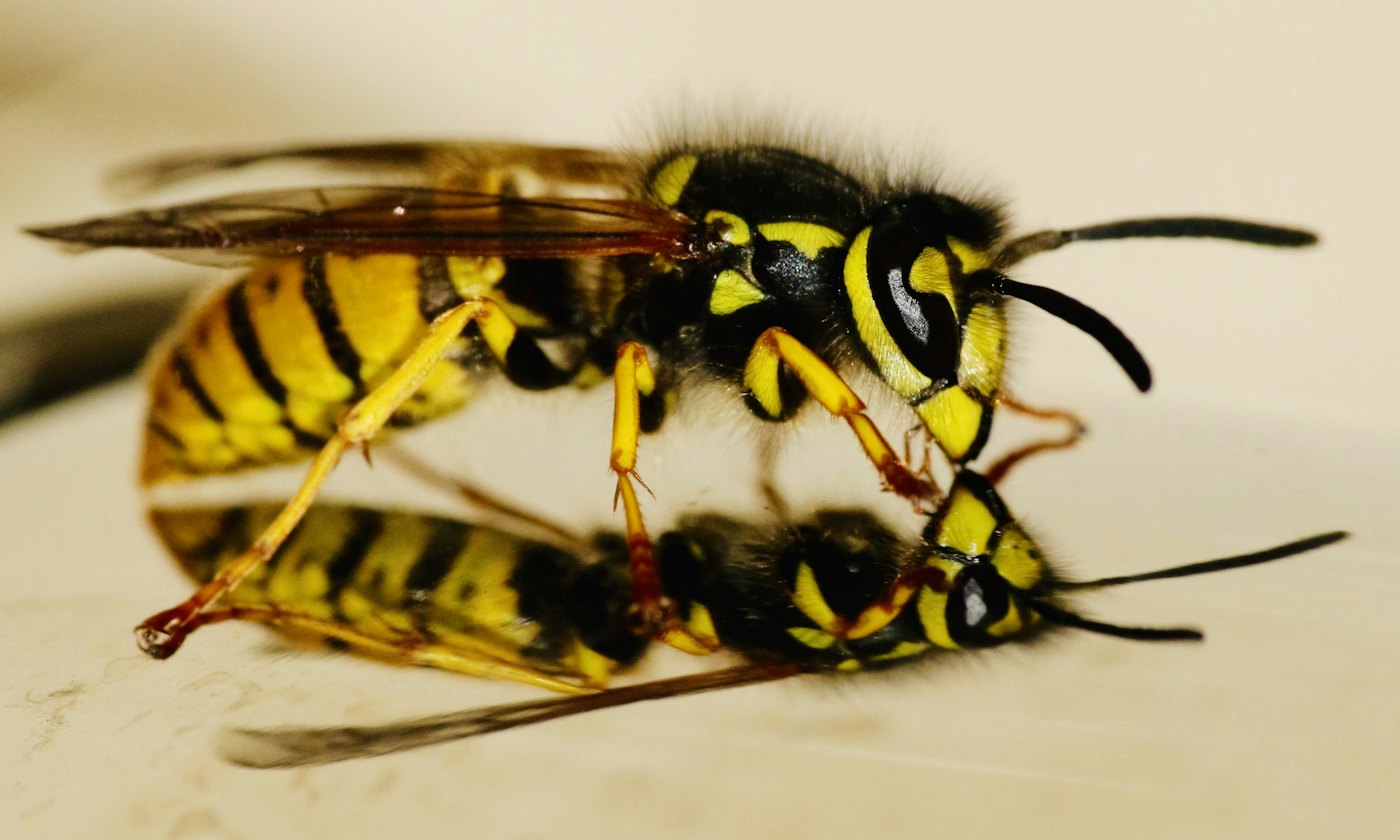
Vespula spp.
A trap is appropriate. Nests in walls or above head height are a professional job.
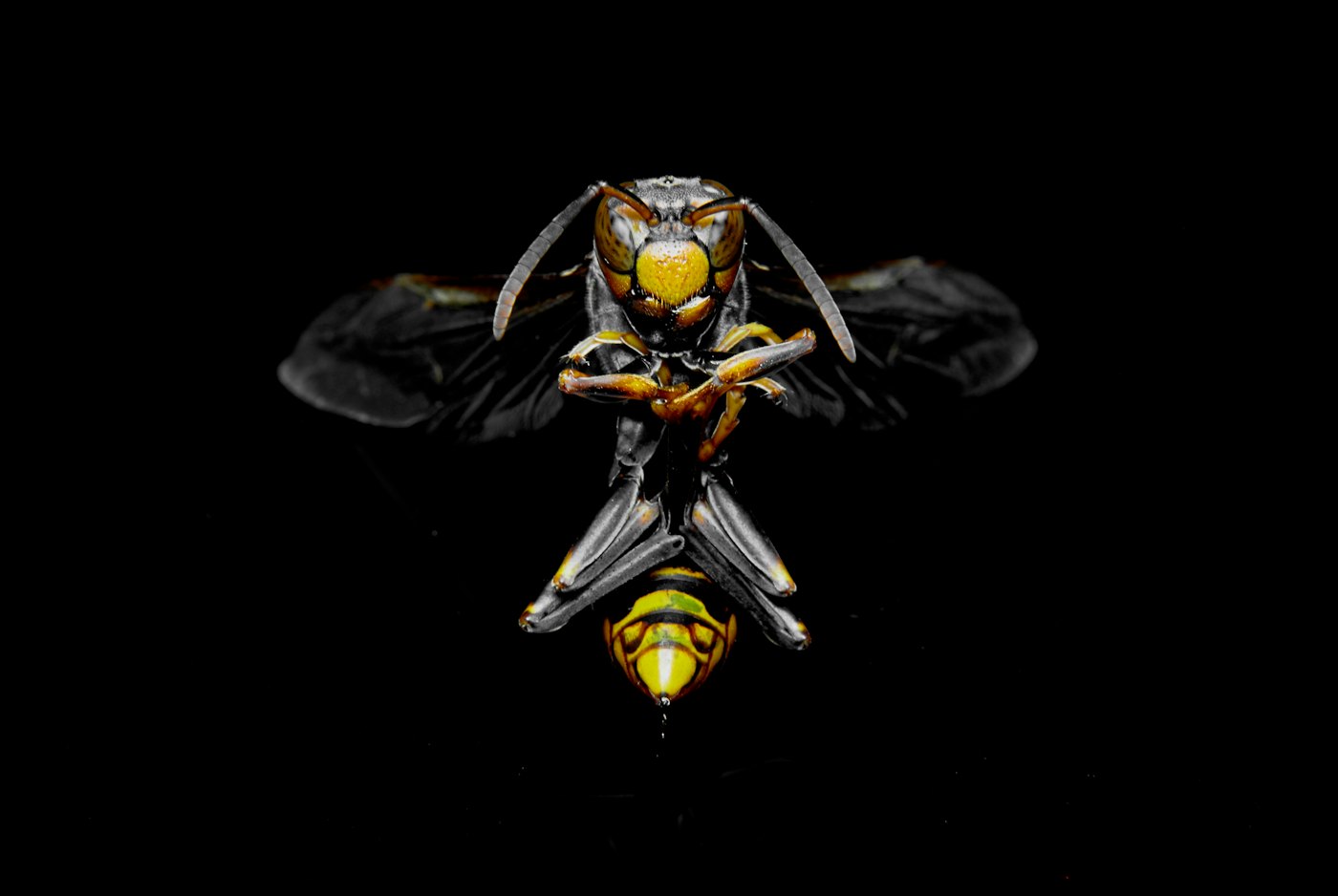
Polistes spp.
Often best left alone if the nest is away from doors and walkways.
Dolichovespula maculata
Do not approach. This is a professional removal, every time.
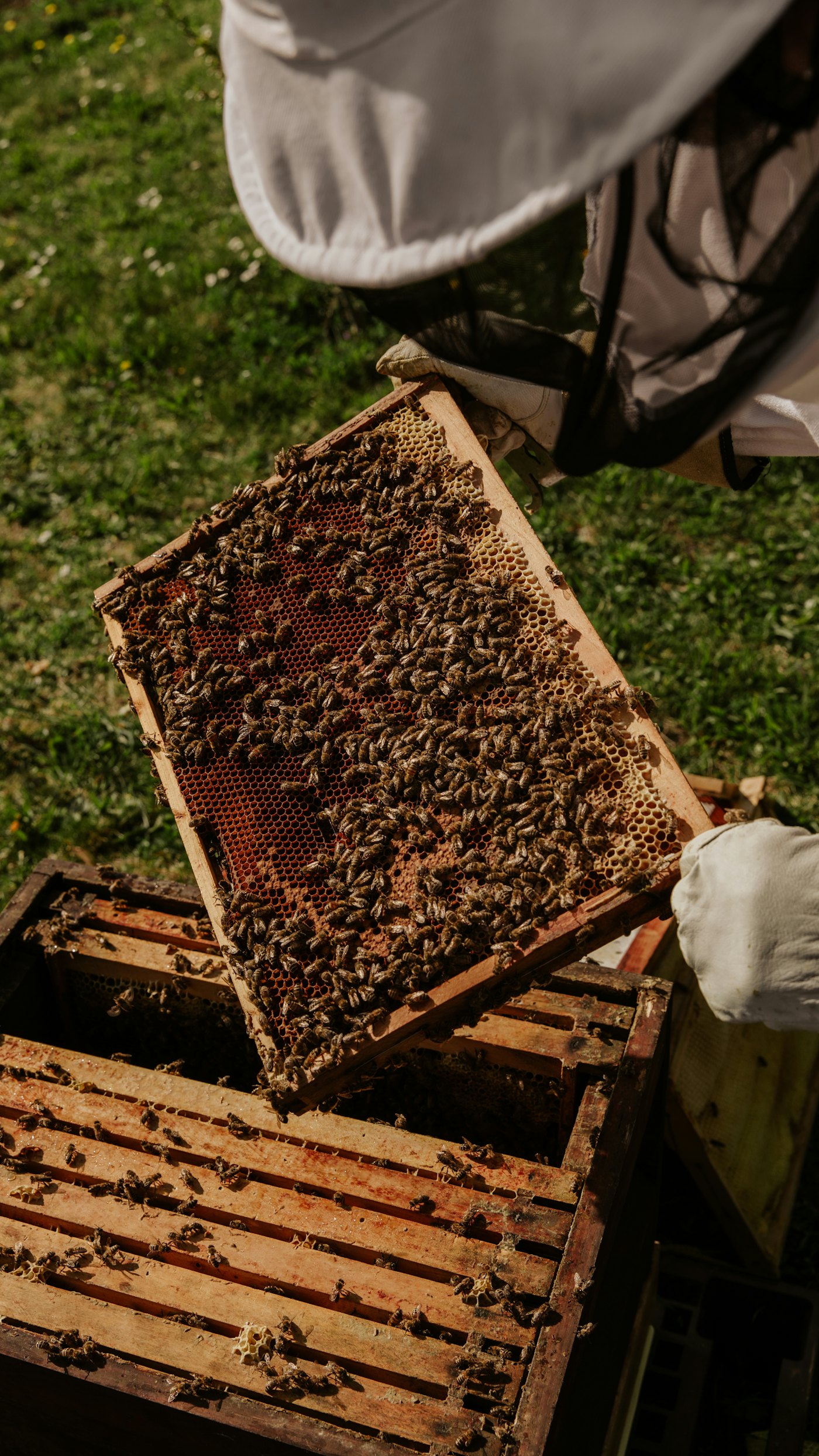
Apis mellifera
Never treat. A swarm is free-collected by local beekeepers; a wall colony needs a removal specialist.
Bombus spp.
Leave alone. The colony dies back naturally by autumn and will not return to the same site.
Syrphidae
Harmless mimic. No sting, no nest, and a useful pollinator. Nothing to do.
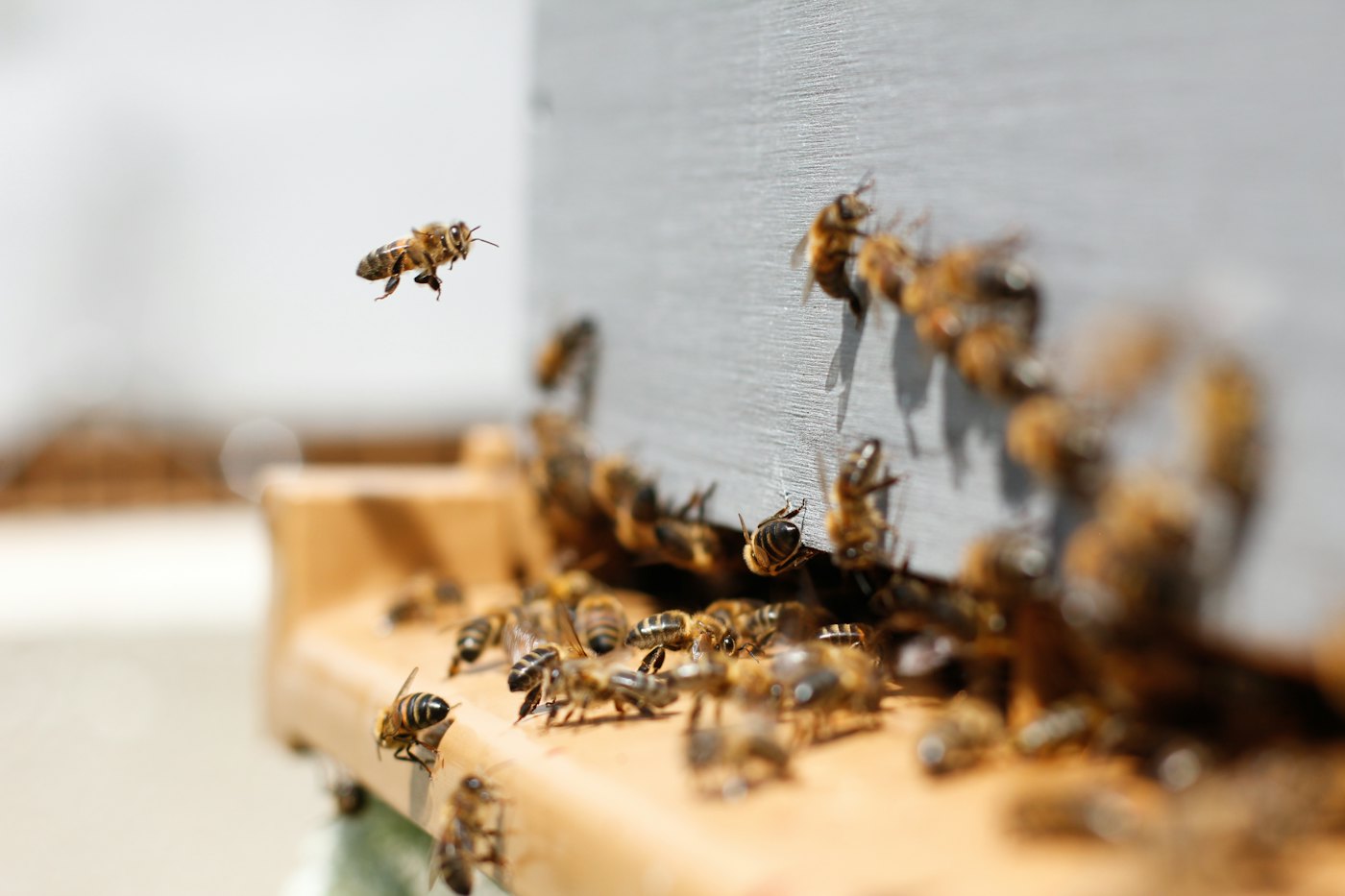
Honeybees
A honeybee swarm hanging in a garden is a colony between homes. It carries no stores, so it has almost nothing to defend and is usually docile. It will typically move on by itself within 48 hours.
Your local beekeeping association will very often come and collect it for nothing. Spraying it is the one genuinely wrong answer, and it is the one people reach for first.
How we think about it
A trap in the wrong place kills pollinators and does nothing about your problem. Thirty seconds with a chart beats a season of guessing.
We do not sell insecticide and will not start. If a nest genuinely needs chemical treatment, that is a licensed professional's job.
Above head height, inside a wall, bigger than a football, or anyone in the house is allergic — put the kit down and make a phone call.
No, and we do not plan to. Everything here is equipment: traps, protection, tools. The attractant is a food-grade bait with no poison in it. If a nest genuinely needs chemical treatment, that is a licensed professional's job, not a mail-order one.
The 9mm entry cones turn away most honeybees and bumblebees, which are bulkier than a yellowjacket. No passive trap is perfect. Siting it away from flowering plants makes far more difference than the cone size does.
Sometimes. A small, visible, ground-level nest with nobody allergic in the household is within reach of a careful person in proper kit. A nest above head height, inside a wall or roof, or larger than a football is not. Our safety page sets out the line in detail.
Then do not attempt any removal yourself, at any size, in any kit. Protective equipment reduces risk; it does not eliminate it. Call a professional and stay indoors while they work.
Do not spray it. A honeybee swarm is docile, usually moves on within 48 hours, and your local beekeeping association will very often collect it for free. Our identification page explains how to tell a swarm from a colony.
Orders placed before 2pm Eastern go out the same working day. Protective equipment can be returned unworn within 30 days; opened attractant cannot, for hygiene reasons.